



IRAN MARKET UPDATE
Stay up to date on the latest fuel and DEF market impacts from the Iran conflict.

WHAT'S THE LATEST?
The impact of the conflict is also becoming increasingly visible in global oil transportation costs. Shipping rates for crude tankers traveling from the US Gulf Coast to China have more than tripled since the war began, reaching over $60 million earlier this week. Meanwhile, Iraqi crude sold outside the Persian Gulf has fallen to a $10-per-barrel discount to Dubai crude as shipments continue navigating the Strait of Hormuz despite recent attacks. In response to growing energy security concerns, President Trump invoked the Defense Production Act to strengthen domestic petroleum production, refining, and logistics capacity.
CHECK OUT THE LATEST ANALYSIS:

Week in Review – Oil Prices Ease on Better Supply Flows, but Shipping Disruptions Persist
Oil prices dropped on Friday after climbing to nearly four-month highs earlier in the week, with Brent trading near $104 per barrel and WTI around $102.

What’s That: Spot Pricing
Fuel buyers often monitor crude oil prices and NYMEX futures to gauge where fuel costs may be headed. However, those benchmarks do not always explain why diesel or gasoline prices move differently in a specific region. One reason is spot pricing.
Diesel Tops $5 With U.S. Inventories and Global Supply Under Pressure
U.S. diesel futures surged above $5 per gallon on Thursday for the first time since April 2022, putting growing strain in global fuel markets back at the center of the energy story.

Is the U.S. Refining System Being Pushed Too Hard?
U.S. refineries are operating near the upper end of their historical range at a time when the global fuel market is relying heavily on American production. According to the EIA, U.S. refinery utilization reached 97.4% for the week ending August 21, while crude oil inputs averaged roughly 17.3 million barrels per day.
What’s That: Refinery Utilization
When fuel prices rise, crude oil often gets most of the attention. However, another factor plays a major role in determining the availability and cost of gasoline, diesel, and jet fuel: refinery utilization.

Hurricane Season Meets a Tight Fuel Market: What a Gulf Coast Storm Could Mean for Prices
A Gulf Coast hurricane does not have to destroy a refinery to disrupt the fuel market. Refineries can shut down ahead of a storm, ports can close, pipelines can lose supply, and fuel deliveries can slow before a hurricane even makes landfall.
Oil Prices Climb as U.S.-Iran Tensions, Refining Constraints and Low SPR Stocks Heighten Supply Risks
Oil prices rose more than $3/bbl Monday morning as renewed military strikes between the U.S. and Iran increased concerns about further disruptions to crude and refined product flows through the Strait of Hormuz. WTI traded near $86/bbl Monday morning after falling roughly $3.50/bbl last week, while Brent climbed above $90/bbl.
Oil Markets Balance Supply Risks, Hormuz Flows and Tight Diesel Inventories
Oil prices are moving cautiously as the market weighs improving crude flows through the Strait of Hormuz against continued geopolitical tension and tight fuel inventories. Prompt WTI futures were slightly higher this morning after recovering from overnight losses of more than $1.50 per barrel.
Oil Prices Fall While Markets Weigh Iran Sanctions and Supply Risks
Oil prices moved lower on Tuesday even as geopolitical and supply risks continued to build across several major producing regions. Prompt WTI futures were down more than $2.50 per barrel this morning after falling roughly $2 per barrel on Monday, leaving the market under pressure despite a steady stream of developments that could affect global crude and refined product flows.

IMPACT ON FUEL
-
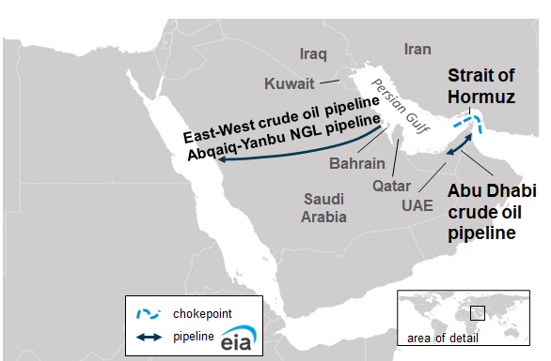
Shutdown of the Strait of Hormuz - which transits 20%
-
Since March 1, average daily transits have dropped to fewer than 7 vessels per day, and fewer than 6 per day in May.
-
Recent LNG movement has improved slightly but remains limited. As of June 9, nine loaded Qatari LNG vessels had exited the Strait since the conflict began.
-
Stranded volumes are beginning to decline, but the market is still far from normal. Reuters reported that oil volumes previously stuck in the Gulf fell from 184 million barrels in March to 148 million barrels in early June.
-
Because tanker traffic remains well below normal, supply availability remains uncertain and buyers may continue to face longer lead times, tighter spot supply, and elevated price pressure.


IMPACT ON DEF
Urea flows through the Persian Gulf have been disrupted, as has LNG, which is a major part of the supply chain for converting nitrogen into Urea. The impact on US DEF markets is mounting.
-
About 25–30% of global urea exports come from the Arab Gulf.
-
Urea prices remain volatile. NOLA urea prices increased sharply from the mid-$400s in late February to nearly $700 by late March, up more than 46%.
-
Prices eased in May but remain under pressure. U.S. Gulf urea futures declined from about $631 per ton on May 1 to about $559 per ton by May 29, after reaching a mid-April high.
- North American production is strong but not enough to fully offset lost imports. Domestic urea production remains high, but it cannot completely replace disrupted import volumes, especially during peak demand periods.
GET AHEAD OF DISRUPTIONS

FIXED PRICE
With uncertainty ahead, it's important to have a strategy. With a fixed price solution, you can bring the future's lower prices forward to today, while maintaining flexibility if the market falls. Find out how your business can immediately lower its prices and spread out risk.
DEF SUPPLY
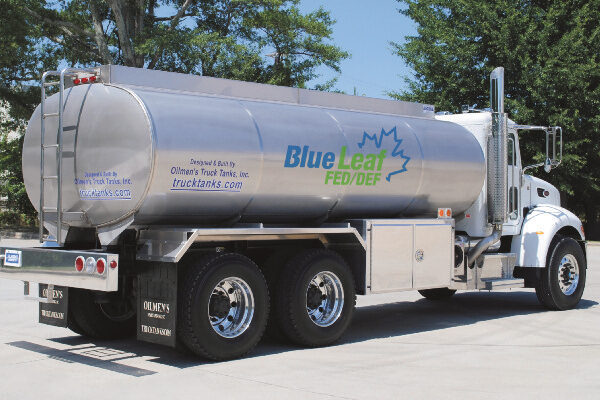
Ensure you have the DEF you need to keep your fleet running. The Middle East is a leading producer of Urea, the main ingredient in DEF, causing prices to rise. Make sure you've locked in your DEF supply and storage to avoid supply tightness.

FUEL CONSULTATION
With prices rising, fleets are considering all kinds of methods to reduce costs - from investing in better storage to seeking efficiency gains. Speak with a fuel expert to do a comprehensive review of your fuel spend and see if there are ways you could be saving today.