
Winter Weather Recovery
After a storm, fleets face a host of challenges to resuming operations. One important portion is ensuring they can get fuel, safely and reliably.
For backyard tank deliveries, make sure you're addressing the following items to ensure safe deliveries can be made.
Post Storm Considerations
As your site personnel return to your locations after a storm, they will need to evaluate many different factors. Among those items, make sure they are aware of the following items:
-
-
Communication with Fuel Suppliers
- Diagnosing Gelled or Iced Diesel Fuel
- Clearing Tanks and Fill Lids for Deliveries
-
Call Mansfield today: 1.800.695.6626

1. Communication
Clear communication is crucial before, during, and after a major storm. Some fleets park their fleet during emergencies; others see increased activity as they respond to storm damage. Being clear about operational needs, fuel demand, and site conditions is critical for successful fuel deliveries at all steps in the process.
-
Report site outages to prevent retained fuel deliveries.
-
Monitor fuel tank levels and ensure to order only what will fit in your tank.
- Notify Mansfield (1-800-695-6626) when normal operations resume.
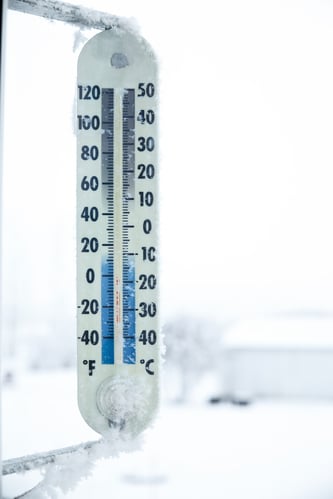
2. Diesel Fuel Gelling
In temperatures below 15 degrees Fahrenheit, diesel fuel can begin to get cloudy, and can eventually thicken into a waxy gel that clogs filters.
- Treat fuel before the storm with the appropriate blend of cold flow additive and kerosene, based on expected temperatures.
- Check for water before the storm, and have excess quantities removed. Water can clog filters at temperatures below 32 degrees.
- If gelling does occur, use an emergency reliquefier like RED ALERT or Diesel 9-1-1 to make the fuel usable again.
Download Mansfield's guide for remediating fuel gelling and icy fuel.
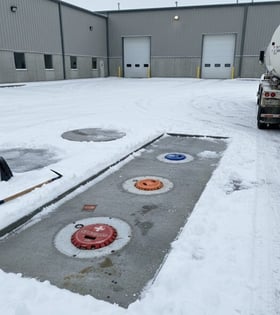
3. Fuel Tank Visibility
After a winter storm, ice and snow can linger, making it difficult to complete fuel deliveries. Often, a fuel truck arrives at a site post-storm and cannot complete the delivery for various reasons, resulting in a cancelled delivery fee.
-
Ensure fill caps are visible and accessible, clearing snow and ice if needed.
- Keep gates open or have personnel ready to open gates for deliveries.
- Ensure roads are clear from the site entrance to the fuel tank area.
-1.jpg)
Ready for the next storm?
Natural disasters can risk your ability to service your customers. It’s crucial to have a fuel supply plan for emergencies.
The Mansfield Energy Emergency Response Fuel Program ensures you have fuel when and where it’s needed – at retail, backyard tanks, stationery generators or by mobile fueling to facilities and vehicles.